
Pool Pressure Testing: A Plain-English Guide
The short answer
Pool pressure testing isolates each plumbing line and pressurizes it with air or water to confirm whether the pipe holds or leaks. It's the only reliable way to diagnose buried plumbing leaks before excavating, so any digging is targeted instead of exploratory.
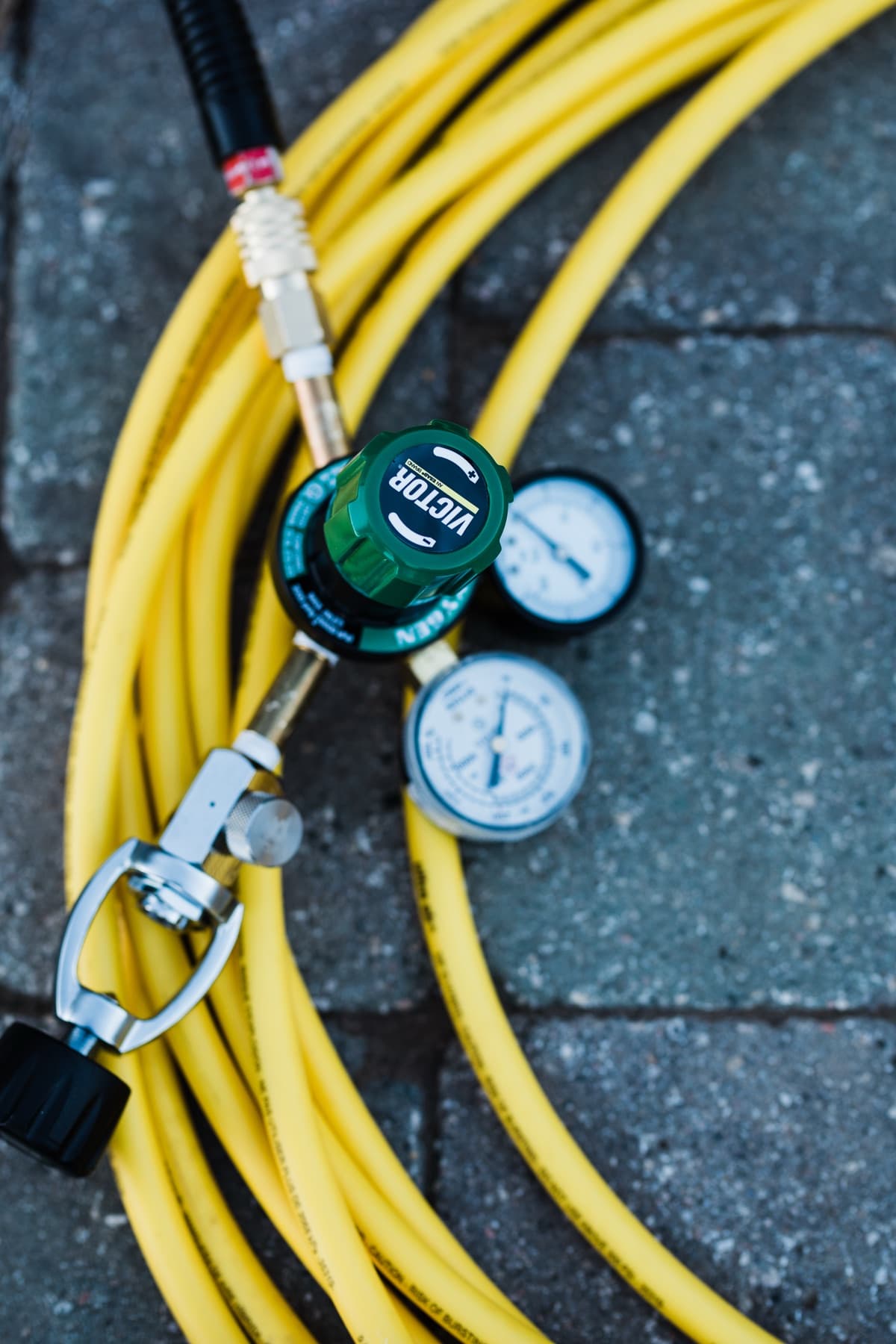
We test, we don't guess
Seeing this on your own pool? You don't have to figure it out alone — our techs pinpoint the exact source before anyone lifts a tool.
Family-owned · Licensed & insured · We answer the phone
Why it matters
Underground pipes are invisible, which makes plumbing leaks the most misdiagnosed pool problem. Pressure testing turns guesswork into a definitive answer.
How it works
The process is methodical:
- Each line — suction, return, main drain — is capped and isolated.
- Air or water pressure is applied and held.
- A line that loses pressure has failed; we then trace the failure point.
What happens next
If a line fails, we locate the break and repair only that section. If the lines hold, the leak is elsewhere — the shell, skimmer, or fittings — and we pivot the investigation accordingly.