
Commercial Pool Leak Detection for Texas HOAs, Hotels & Apartments
The short answer
Commercial pools in Texas lose water for many of the same reasons residential pools do — but the consequences are bigger: higher water costs, liability exposure, and the need to keep amenities open for residents and guests. Documented leak detection is the starting point for any responsible repair.
Why Commercial Pools Leak
Commercial pools — HOA community pools, hotel pools, apartment complex pools — leak for the same structural and plumbing reasons residential pools do, but they often accumulate problems faster. Higher bather loads mean more chemical demand, which over years accelerates surface wear. Concrete decks with heavy foot traffic develop cracks that work their way toward the shell. And the plumbing systems on large pools are more extensive, giving water more places to escape.
In Texas, the soil makes everything harder. Blackland clay around San Antonio and Austin expands when it rains and shrinks in drought, cycling year after year beneath pool decks and buried plumbing. Hill Country limestone in New Braunfels and the surrounding counties provides a different challenge — the ground is hard but fractured, and water that escapes can travel unpredictably. Every Texas wet-dry season puts stress on every joint, fitting, and plaster bond in a commercial pool.
How a Leak Affects a Commercial Property
Water loss in a commercial pool isn't just a maintenance nuisance — it has real operational consequences. A pool that requires frequent refills consumes substantially more water over a billing cycle than one in good repair, and Texas municipal water rates are not insignificant. Some properties don't notice the usage creep until a spike on a quarterly statement forces the question.
Beyond water cost, a leaking pool that goes unaddressed long enough can undermine the surrounding deck, saturate the soil under hardscaping, and in worst cases compromise the shell or surrounding structure. For an HOA, that's a shared-cost problem that becomes a board problem. For a hotel or apartment operator, it can mean a pool closure during the peak season — exactly when the amenity matters most to guests and residents.
We test, we don't guess
Seeing this on your own pool? You don't have to figure it out alone — our techs pinpoint the exact source before anyone lifts a tool.
Family-owned · Licensed & insured · We answer the phone
What Makes Commercial Detection Different
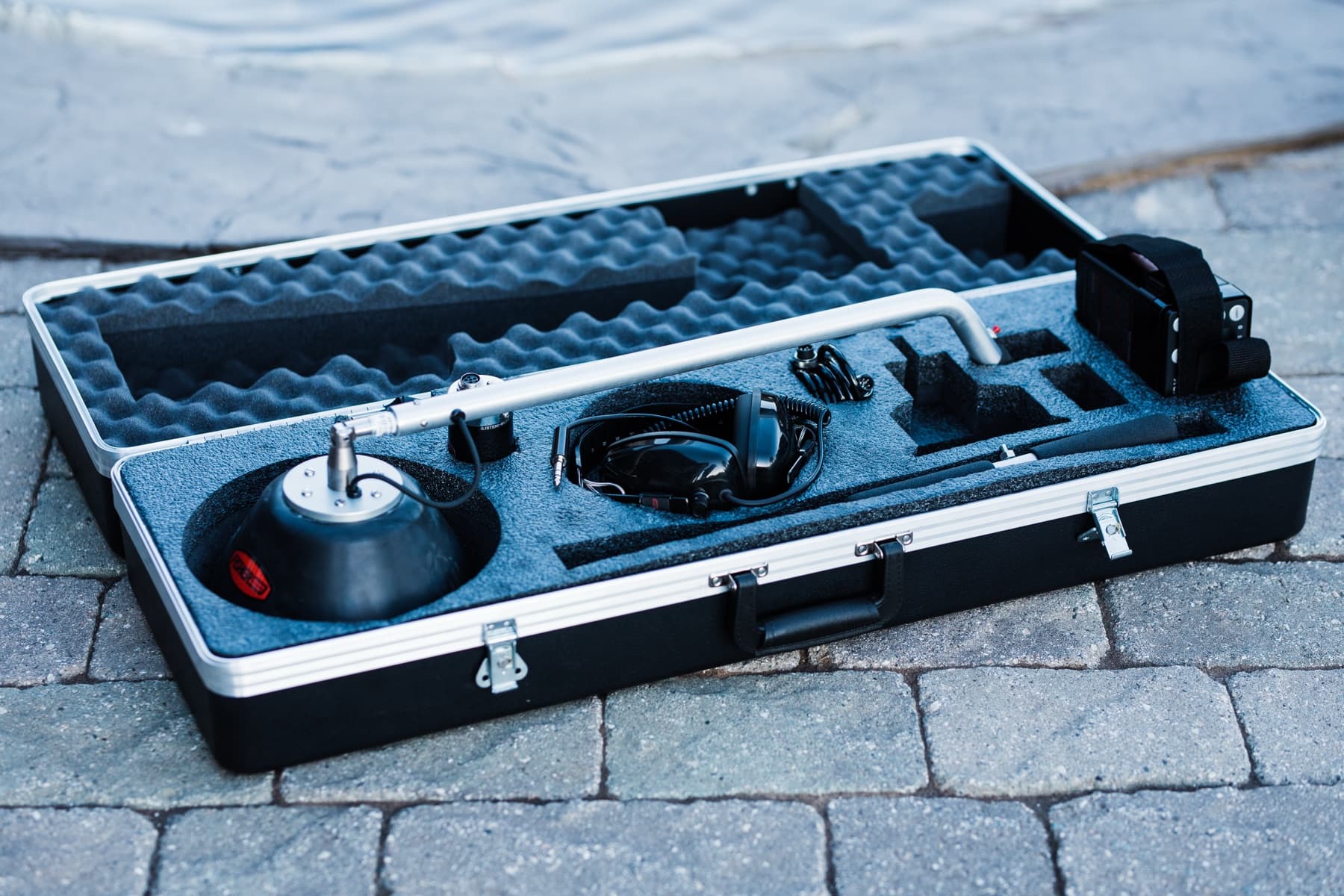
Commercial leak detection follows the same basic methodology as residential — pressure testing individual plumbing lines, acoustic or electronic listening for line breaks, underwater inspection of the shell, fittings, lights, and skimmers — but the scope is larger and the documentation requirements are different.
Property managers and HOA boards typically need written findings, not just a verbal report. Insurance claims, capital improvement records, and vendor contracts all benefit from a documented test protocol that shows what was tested, how, and what the results were. Aquatic Leak Detection provides that documentation as a standard part of every commercial engagement.
- Pressure testing each plumbing circuit individually to isolate leaking lines
- Electronic and acoustic detection for buried line breaks under decks and hardscape
- Underwater dive inspection of the full shell interior — no draining required
- Written findings report suitable for property management records or board review
Minimally Invasive Repair Matters for Active Properties
For a residential pool, a repair that requires a day of deck removal is an inconvenience. For a commercial property, it's a closure. HOA pools that go down mid-summer generate complaints. Hotel pools that close during a busy weekend cost bookings. Apartment communities that post "pool closed" signs for a week hear about it at the next lease renewal.
The goal of professional commercial leak detection — and the reason the detection step matters so much — is to locate the problem precisely before any digging or demolition begins. Accurate location means a smaller repair footprint, a shorter closure window, and a faster return to service. Guessing costs more, takes longer, and leaves residents and guests waiting.
Working with Property Managers and HOA Boards
Commercial pool work involves more stakeholders than a residential job. Property managers need scheduling that minimizes pool downtime. HOA boards need cost information for capital reserves and meeting agendas. Both need contractors who show up on time, communicate clearly, and document their work.
Aquatic Leak Detection has worked with commercial properties across San Antonio, Austin, and surrounding Central and West Texas. We're a family-owned company — not a franchise that sends a different crew each visit — which means the same experienced technicians handle detection and repair from start to finish. If you manage a commercial pool property and suspect a leak, call us at (210) 219-0979 to talk through the situation and schedule a site visit.
When to Schedule Commercial Leak Detection
Don't wait for a visible problem. The most costly commercial pool leaks are the ones that go undetected for months — slow losses that register as "normal" water use until a utility audit or a structural problem forces a closer look.
Good indicators that a commercial pool warrants a professional inspection: the autofill runs more frequently than it did a season ago, the water bill has risen without a clear explanation, the deck shows new settling or cracking near the pool, or a previous repair has been made and water loss has resumed. Any of these is a reasonable trigger for scheduling a documented leak detection service.
- Auto-fill running more frequently than in prior seasons
- Unexplained increase in water consumption across billing cycles
- New deck settling, cracking, or soft spots near the pool perimeter
- Recurring water loss after a prior repair — indicating the source was not fully resolved